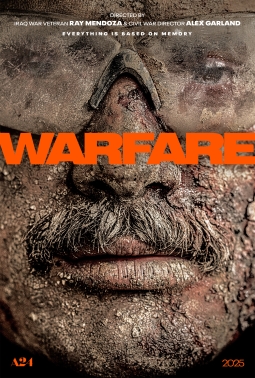
"Warfare" Exposes Why US Military Tactics Fail in Modern Combat
A24, a name synonymous with groundbreaking, often unsettling cinema, is set to challenge perceptions of modern conflict with its 2025 release, Warfare. While many associate A24 with unique horror experiences and indie hits – perhaps even searching for the next a24 backrooms movie given their penchant for atmospheric dread – Warfare ventures into a starkly different, yet equally visceral, realm. This film promises to be a raw, unflinching look at the systemic failures plaguing U.S. military tactics in post-9/11 engagements, a departure from the often sanitized or hero-centric narratives prevalent in mainstream war cinema.
For decades, American war films dealing with contemporary conflicts have often glossed over or outright transformed military blunders into heroic stands, an act of "whitewashing defeat." Warfare, however, aims to rip back the curtain, laying bare the deeply flawed command decisions, tactical missteps, and strategic blind spots that have characterized U.S. operations in places like Afghanistan and Iraq. Drawing inspiration from real events, the film meticulously dissects scenarios where advanced technology and superior firepower fail to compensate for fundamental misunderstandings of the battlefield and a critical disregard for local populations and allied forces.
The Brutal Honesty of "Warfare": A Departure from Hollywood Norms
From its earliest buzz, Warfare distinguishes itself by tackling a pervasive issue in modern American war narratives: the tendency to glorify even the most disastrous outcomes. Previous films, even those claiming to depict "true events," have often spun tales of isolated heroism amidst larger strategic failures, leaving audiences with a sense of triumph despite the underlying inefficiencies. Warfare reportedly shatters this illusion, directly asking: what happens when the emperor has no clothes, and the military apparatus, for all its might, simply isn't equipped for the kind of war it's fighting?
The film's central premise, revolving around a U.S. Navy SEAL observation team covertly embedded in an Iraqi civilian building, quickly spirals into a harrowing ordeal. The SEALs, tasked with providing intelligence for broader clearing operations by conventional forces (A1 and B1), find themselves abandoned when these units abruptly withdraw, leaving the observation post exposed and vulnerable. This immediate isolation forms the core of the film's critique: a command structure so rigid and disconnected from ground realities that it creates entirely self-defeating scenarios.
One particularly jarring sequence, as described by early viewers, highlights this callous disregard. When a Bradley fighting vehicle arrives to link up with the observation team, two Iraqi National Army (INA) soldiers are sent ahead to clear the path. They are depicted scanning for threats, giving the 'all clear,' only for an Improvised Explosive Device (IED) to detonate, instantly killing them. The film, in what some critics deem a profound omission, reportedly fails to pay tribute to these fallen allies, seemingly framing their sacrifice as a mere plot device for the SEALs' predicament. This raises critical questions about whose lives are valued in the fog of war and whether the American military's approach truly fosters lasting alliances. This incident, for many, underscores a larger systemic issue: the U.S. military's tendency to "manage the kill, but not the burial"—to initiate action without fully accounting for the human cost, especially for their local partners.
Tactical Blunders: A Blueprint for Failure in Asymmetric Warfare
Warfare shines a harsh light on a litany of tactical errors that echo historical blunders and continue to plague modern combat operations. The initial setup of the observation post itself is a case study in poor planning: inserting a small, non-combat observation team into an urban environment, then having their supporting forces withdraw before their mission is complete, effectively turning them into a sitting duck. This is compounded by a range of operational deficiencies:
- Location Disadvantage: The film reportedly mirrors issues seen in other war narratives, like the ill-fated Outpost Keating, by placing a critical position in a tactically unsound location – in this case, a civilian building in a hostile urban area, without proper security.
- Intelligence Gaps and Over-Reliance on Tech: Despite deploying advanced surveillance equipment, the team is surprised by the enemy's close proximity, with insurgents digging tunnels and throwing grenades into their position. This suggests a failure to combine high-tech sensors with basic ground reconnaissance and situational awareness.
- Command Rigidity vs. Battlefield Reality: The most significant critique is the command's inability to adapt. The mission to establish an observation post becomes meaningless once the flanking units (A1 and B1) withdraw, yet the plan proceeds as if nothing has changed. This disconnect between higher command and ground-level realities is a recurring theme, suggesting a top-down planning process that fails to account for the dynamic, chaotic nature of modern urban warfare.
- Ineffective "Show of Force": Scenes depicting low-flying aircraft as a "show of force" or "weaponized deterrence" are shown to be utterly ineffective, merely drawing attention and emboldening the local resistance rather than intimidating them.
These detailed depictions offer invaluable insights into why highly trained and equipped forces can still be overwhelmed in asymmetric conflicts. It's a testament to the idea that sophisticated gear means little without sound strategy, adaptability, and a deep understanding of the human terrain. For more context on these issues, you might find A24's "Warfare": Unpacking US Military Blunders in Iraq particularly insightful.
Beyond the "Anti-War" Slogan: Examining the True Cost of Conflict
The film, while touted as "anti-war," faces scrutiny for how it portrays this stance. Critics argue that merely showing the horrors of war without addressing its underlying causes or the strategic context can feel like a "punk rock" anti-war message – rebellious but lacking depth. The gratuitous destruction of an empty Iraqi home by a Claymore mine, explained only by an Iraqi woman's repeated "why," further underscores this point. If the goal is truly anti-war, then every act of violence, especially against civilians, must serve a deeper narrative purpose than just shock value.
True anti-war cinema doesn't just depict chaos; it dissects the reasons for it, questions the justifications, and explores the profound, often irreparable, damage inflicted. If Warfare fails to contextualize why an empty home is destroyed, or why Iraqi lives are seemingly secondary, then its anti-war message risks becoming superficial. This raises important questions about the film's deeper messaging and whether it truly condemns the systems that perpetuate conflict, or merely showcases its immediate brutality. Delving deeper into this, Is A24's "Warfare" Truly Anti-War? A Critical Look at its Message provides a thorough examination.
Command Disconnect and Strategic Blind Spots
Perhaps the most damning indictment of Warfare is its portrayal of the sheer incompetence within the command structure. The film suggests a pattern of behavior where plans are executed rigidly, regardless of evolving battlefield conditions. The decision to have A1 and B1 withdraw, leaving the observation post isolated, immediately after an 'all clear' that was anything but, mirrors historical errors where forces are prematurely split or withdrawn, leading to encirclement. This is analogous to the Battle of the Bulge in WWII, where isolated American units found themselves surrounded, or more recently, the issues seen in Ukrainian battlefield tactics.
The film implies that modern U.S. military strategy, particularly in counter-insurgency and urban warfare, often lacks the patient, methodical approach seen in other militaries, like the Russian forces described as "step by step." This alternative approach emphasizes securing flanks, consolidating gains, and withdrawing if necessary to maintain cohesion, rather than pushing forward aggressively and risking isolated pockets. The tragic irony is that brave American soldiers, exemplary in their courage and tenacity even when surrounded, are often let down by a command system that puts them in untenable situations. This critique extends beyond the film, linking to broader analyses of how flawed Western military doctrines may contribute to setbacks in contemporary conflicts, including those in Ukraine where similar "rush ahead" tactics have reportedly led to significant losses.
The film doesn't shy away from depicting the bravery of all combatants, American and Iraqi alike. The SEALs, despite being in a hopeless situation, fight valiantly. The Iraqi resistance, though lightly armed, demonstrates tactical ingenuity (using IEDs, throwing grenades through holes) and remarkable courage. The key differentiator, according to the film's implied analysis, isn't individual heroism but the systemic failures of leadership and strategic planning that render such heroism tragically futile.
In conclusion, Warfare looks set to be a significant addition to A24's diverse catalog, offering a gritty and unromanticized look at the harsh realities of modern combat. It's a film that, for many, will resonate deeply with the frustrations surrounding protracted conflicts and the immense human cost of flawed strategies. By highlighting tactical blunders, command disconnects, and the often-overlooked sacrifices of local allies, Warfare provides a compelling, albeit uncomfortable, examination of why U.S. military tactics frequently falter in the complexities of modern warfare. It's a film that demands reflection, pushing audiences beyond traditional narratives to confront the difficult truths of conflict in the 21st century.